Future Classic Friday: Citroen Xantia
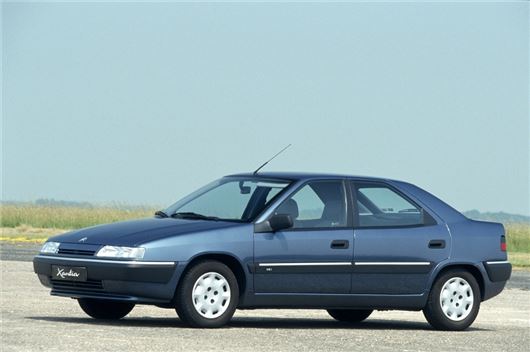
When it was revealed at the 1993 Geneva Motor Show the Citroen Xantia won universal praise.
Replacing the BX, it was a car that would finally take Citroen into a more conventional area of the market, competing directly with the likes of the Ford Mondeo and Vauxhall Cavalier, rather than sitting awkwardly across two segments like its predecessor.
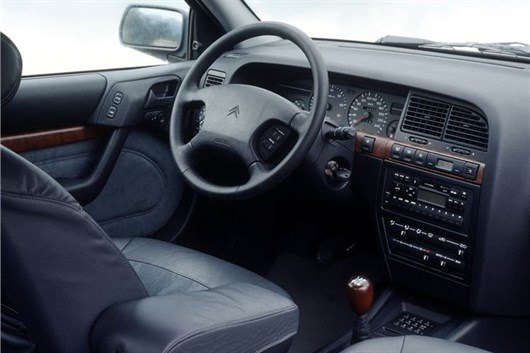
Styled by Bertone, the Xantia was angular but also fresh and modern-looking, while the cabin was a big advance for Citroen, with a smart fascia and crisp, clear instrumentation, including some neat features such as an oil level check when first started and steering wheel audio controls - normally the preserve of executive cars. The materials were of a high quality, proving that Citroen had benchmarked its European rivals in a bid to increase its presence in the ultra-competitive fleet market.
All Xantias used hydro-pneumatic suspension, but higher spec models benefitted from an enhanced version of the XM’s computer-controlled Hydractive suspension, which used extra suspension spheres to allow a soft ride in normal conditions, but taut body control during hard braking, acceleration or cornering. The Xantia also had a passive-steering rear axle, a design pioneered on the Citroen ZX which effectively helped the rear end turn in-line with the front wheels to sharpen up the handling.
As expected, then, ride and handling were exceptional, which partly made up for the Xantia’s aged engine range - 1.6, 1.8 and 2.0-litre XU petrol engines and 1.9 and 2.1-litre XUD diesels. They weren’t bad powerplants by any stretch of the imagination, but they lacked the technology and refinement of rivals’ newer engines.
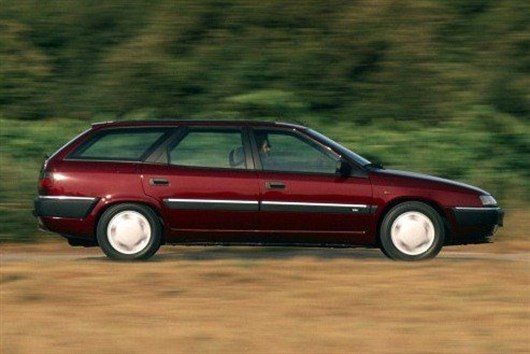
At launch, the Xantia was offered as a five-door hatchback only, but was complemented in 1995 by a capacious estate, assembled on Citroen’s behalf by Heuliez. The estate was superb, with self-levelling suspension and a massive load bay, giving Citroen further power to expand its brand within the business car market. Indeed, where the XM had failed to achieve the fleet success it had been developed for, both the Xantia and the ZX finally gave power to Citroen’s elbow in the corporate car park.
Also worthy of note is the Xantia Activa. Sold as a 150bhp 2.0 Turbo in the UK and a V6 in other markets, it used a further-developed version of the Hydractive suspension, this time using two extra spheres and hydraulic cylinders to eliminate body roll altogether. The driving experience is bizarre but also incredibly effective - the Activa genuinely remaining level under hard cornering.
As the fleet market developed and new models appeared on the market, the Xantia evolved. Spec levels were increased, and in 1997 the car was given a thorough facelift, with a new dashboard, more rounded front end and a number of trim enhancement. It was a plush and well-equipped car even in the lower trim levels, while the leather-clad ‘Executive’ was extremely well-appointed. New common-rail HDi diesel also came along, bringing petrol-like levels of responsiveness and even better fuel economy.
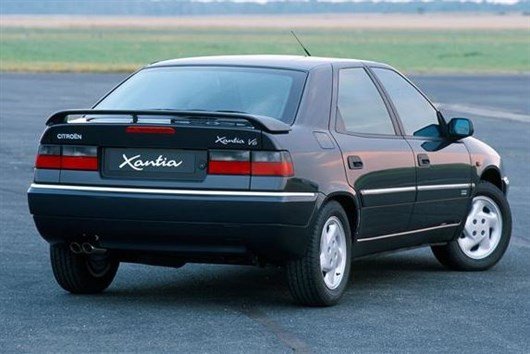
But to purists, the facelifted Xantia lacks the simple angularity of the original, meaning the later cars, albeit often better, are less collectable.
Whichever model or generation you go for, though, the Xantia is a a quirky and unusual choice, as well as being an increasingly rare one. Of the 135,000 Xantias sold in the UK, less than one per cent survive, with survival numbers dropping by 50% in the last two years. It’s a car that’s on the cusp of near extinction, but that also means it’s also on the cusp of becoming a classic, as demand for the good ones starts to outweigh supply…
 Craig Cheetham
 Classic car auction house Coys goes into administration
 Motor racing great Sir Stirling Moss dies aged 90
 Alfa Romeo anniversary races set for Silverstone
 Government to make E5 fuel available for classic owners
 Plans to introduce cleaner fuel could damage more than a million classic cars
 Top 10: Classic cars from the Gulf motor racing heritage collection
 No longer Holden on...
Compare classic car insurance quotes and buy online. A friendly service offering access to a range of policies and benefits.