Future Classic Friday: Citroen C6
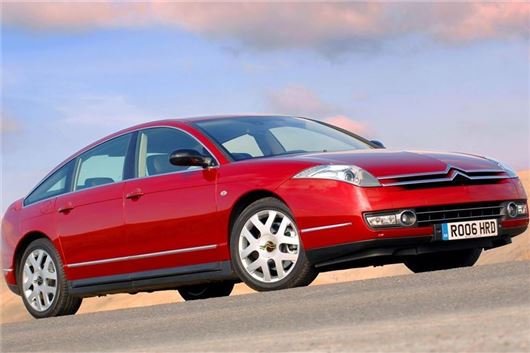
It was the Citroën that was five years late to the party - and even then, there was an argument that it should never have been invited.
Launched in 2005, the C6 was the long-awaited replacement for the wedge-shaped XM. It would become the fourth large, hydraulically sprung Citroën, in a line that began with DS, via CX. Indeed, Citroën made no secret of the fact the C6 had heritage behind it.
The idea of the car was previewed at the 1999 Geneva Motor Show as the Lignage concept car - a word that means the same in French as it does in English (lineage). But at the time, it was nothing more than an heir apparent.
Citroën had been badly stung by the XM. It was a car that, in many respects, was wonderful. Bold, striking, cosseting to drive and as bonkers as the world had come to expect a big Citroën to be, it was also a car that fell at the first hurdle.
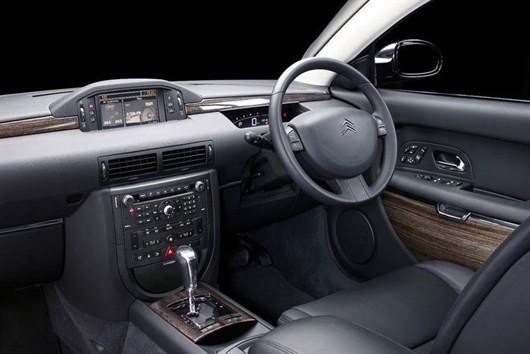
Great it may have been, but Citroën's marketeers pointed the car at the mainstream exec market. An alternative, if you like, to a Ford Granada or Vauxhall Carlton. The Citroen's complexity and horrendous reliability record, coupled to poor fuel consumption and high running costs, meant it quickly fell out of favour with fleet managers.
The public weren't enamoured, either, and so the XM never really made the grade. As a result, while Citroën's impassioned design team wanted to get the XM replacement out in 2000 or 2001, pretty much as soon as its predecessor was put out to pasture, the money men approached the notion with a degree of trepidation.
After all, parent company PSA already had the Peugeot 607, which may have been indifferent, but was perfectly capable of French ministerial duty alongside the equally mundane Renault Safrane.
Undettered, those within Citroën who wanted the C6 went back to the drawing board and refined their concept. If the car wasn't going to be mainstream, then they'd make it more individual. an exclusive and expensive car for those that wanted to be different.
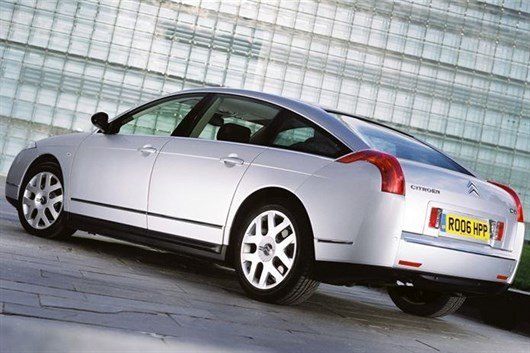
And their argument won the day, thanks to some lovely attention to detail, including hydraulically-operated door pockets, TGV-style sliding rear seats and a self-cleaning concave rear window - a feature stolen straight from the CX.
After a protracted gestation period of more than five years, the C6 finally arrived, and while the media generally liked it, very few suggested you should buy one. As such, the C6 became a car that, from the outset, was only really bought by enthusiasts.
From a classic perspective, this has its advantages. In the UK, for example, fewer than 1000 were sold, mostly either 3.0 V6s in a high specification, or 2.7 HDi diesels for people who used them more intensely. There were also a handful of very late 3.0 HDis, which were arguably more reliable. But with only 600 or so left (many of the UK's cars have been exported to Australia, where it has acquired a cult following), choice is limited.
They're not cheap, either. The least expensive one we've spotted for sale lately is still touching £3000, which for a 12-year old Citroën, especially a wafty executive one, is previously unheard of. Did the C6 - the last ever big hydraulically-sprung Citroën and a car that failed to truly capture the imagination of the British public - actually get it right? Only time will tell.
 Craig Cheetham
 Classic car auction house Coys goes into administration
 Motor racing great Sir Stirling Moss dies aged 90
 Alfa Romeo anniversary races set for Silverstone
 Government to make E5 fuel available for classic owners
 Plans to introduce cleaner fuel could damage more than a million classic cars
 Top 10: Classic cars from the Gulf motor racing heritage collection
 No longer Holden on...
Compare classic car insurance quotes and buy online. A friendly service offering access to a range of policies and benefits.